By HIGH On 3D · 24 February 2025 · 6 min read
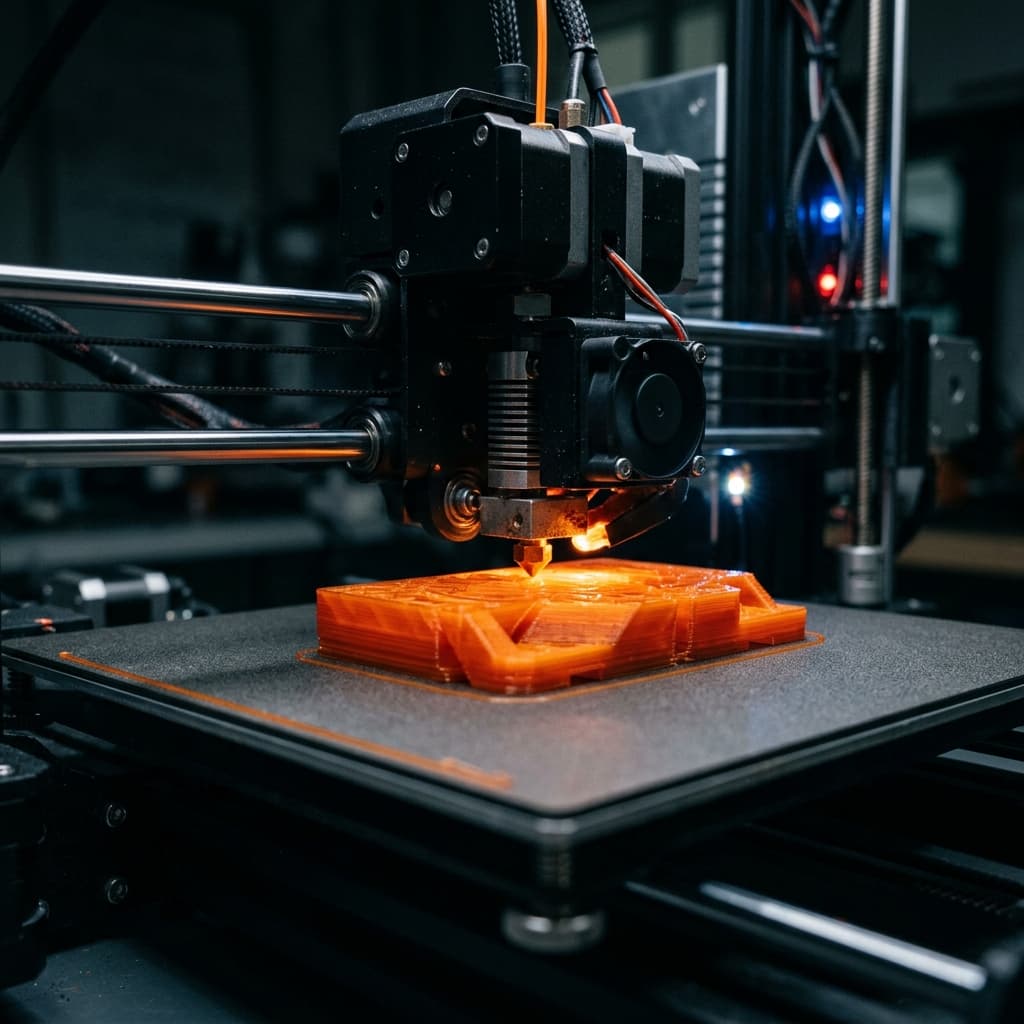
Fused Deposition Modeling (FDM), also known as Fused Filament Fabrication, builds parts layer-by-layer by extruding molten thermoplastic. As one of the most accessible and versatile 3D printing technologies, it's ideal for functional prototypes, custom parts and even complex tooling.
With industrial-grade Flashforge printers, we print in over 15 materials — from ABS and PC-ABS to carbon-fibre nylons and Ultem — building durable, accurate, repeatable parts up to 500×500×500 mm.
FDM shines when you need functional strength, larger parts, and a wide material choice at low cost. For the finest surface detail, SLA is a better fit; for isotropic production-grade nylon parts, look at HP Multi-Jet Fusion.
Have a project in mind?
Get an instant quote