
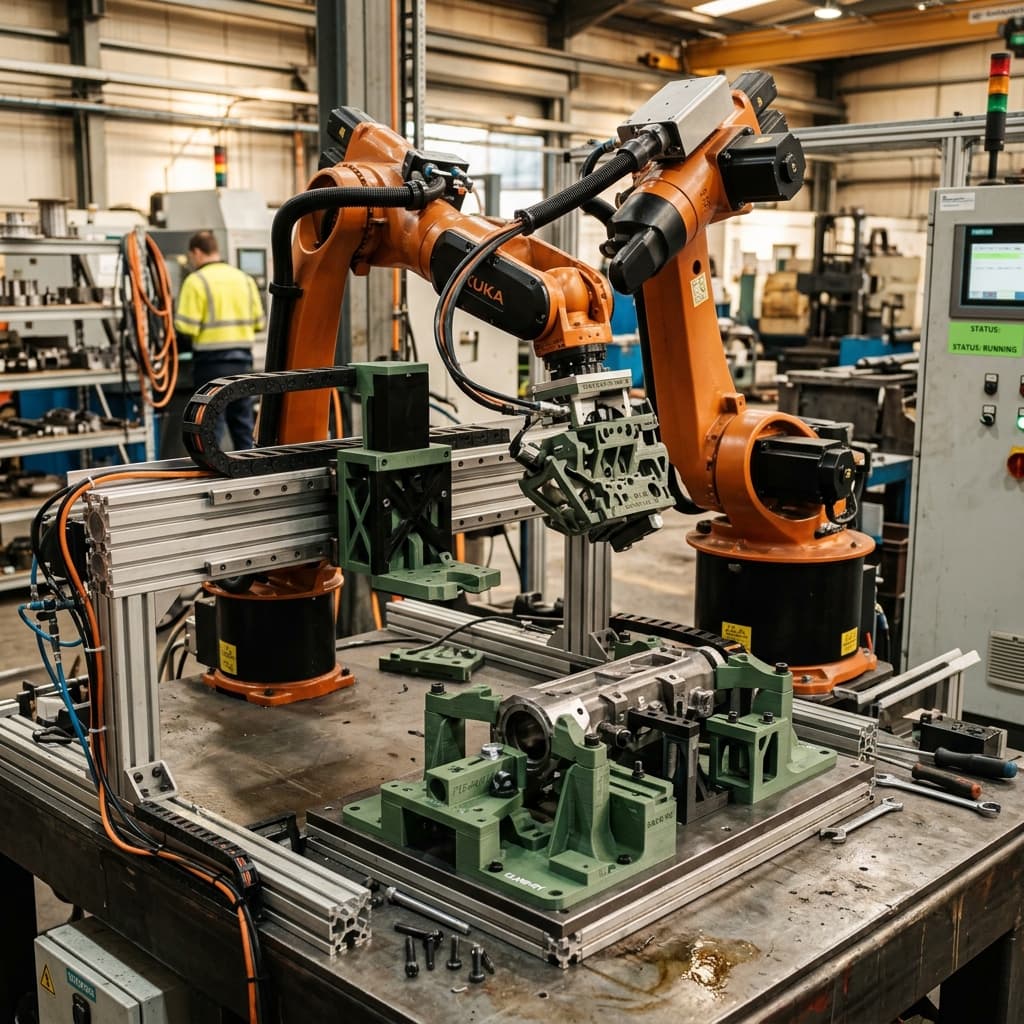
Robotics 3D Printing: Multi-Process for Robotics
Accelerate Autonomy. Reduce Inertia. Build Smarter Robots.
Executive overview
Multi-process manufacturing for autonomous systems
Robotics and automation are two of the fastest-growing industries globally, driving exciting developments alongside complex engineering challenges every day. In these sectors, precision is paramount, and the ability to iterate rapidly and adapt designs makes all the difference in bringing autonomous systems to market.
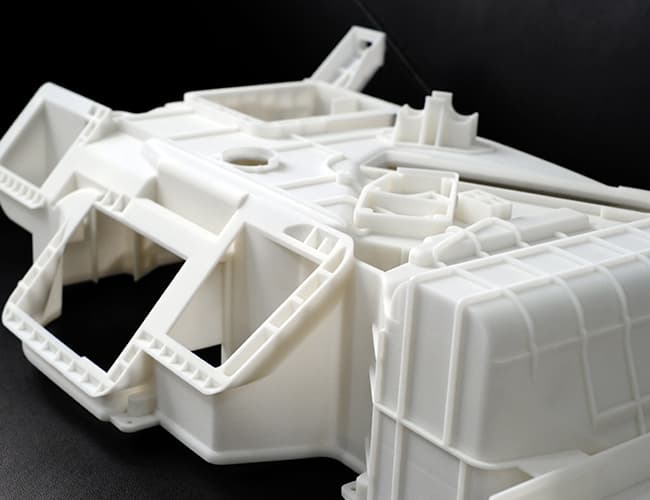
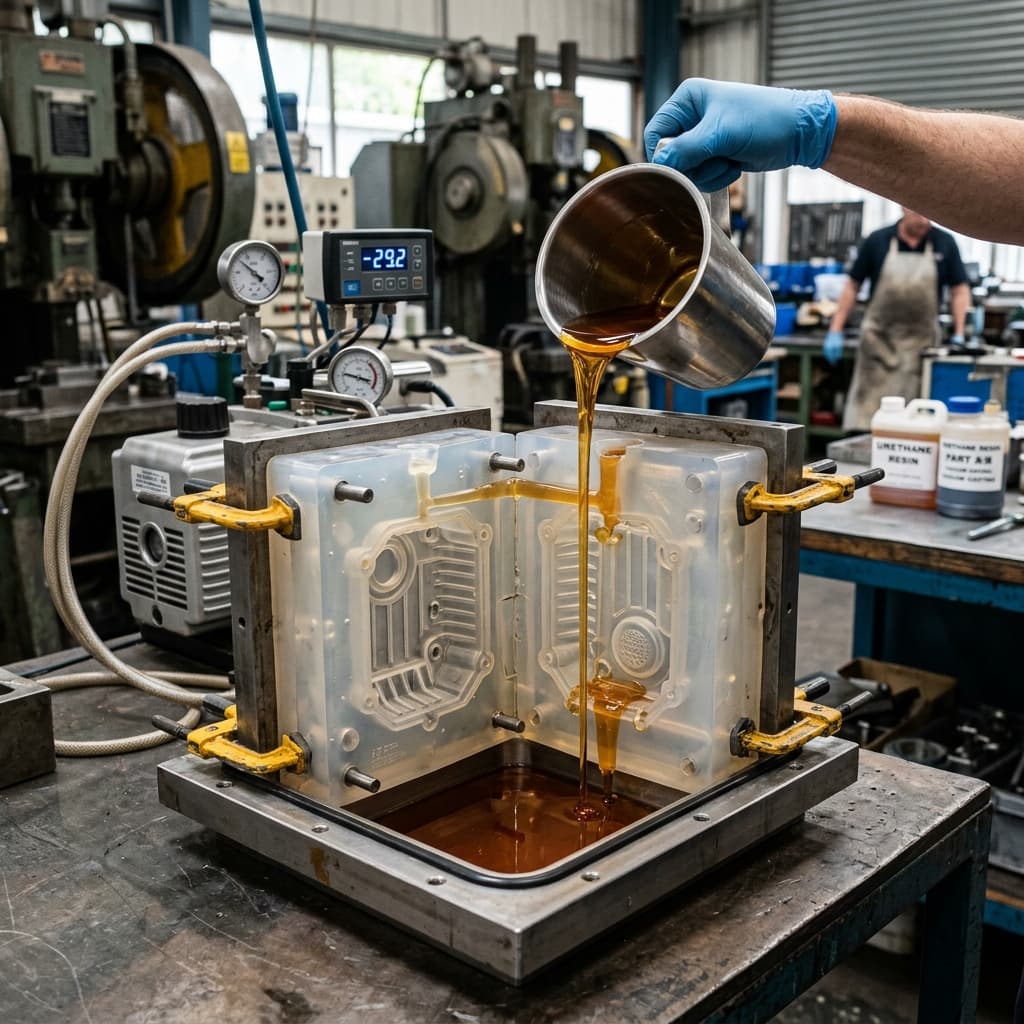
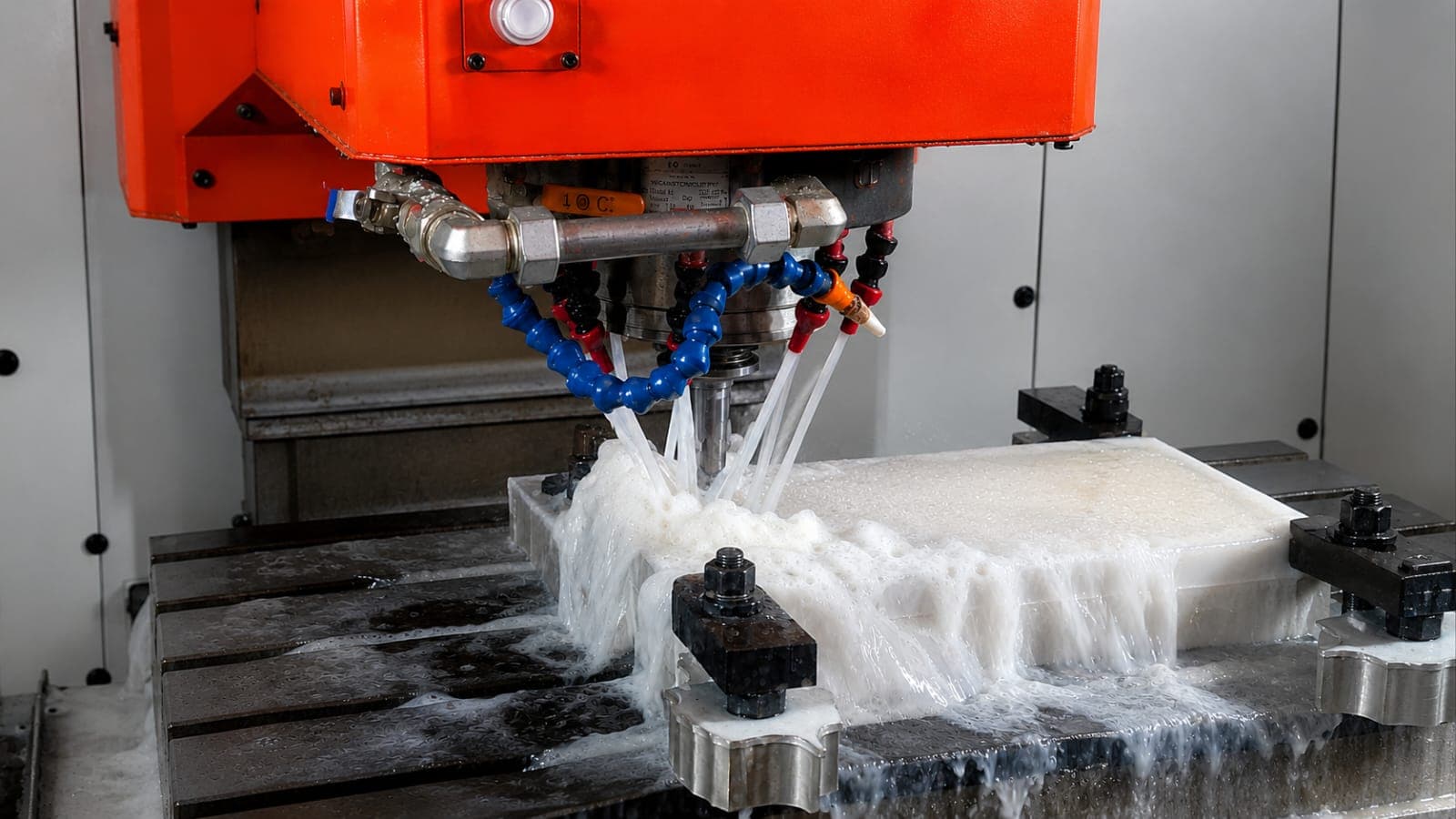
At HIGH On 3D, we provide the industrial manufacturing infrastructure required to move beyond the physical constraints and long lead times of traditional machined assemblies. Utilizing multi-process capabilities—including SLS, MJF, SLA, Vacuum Casting, and Precision CNC Machining—we produce lightweight, durable, and geometrically complex components for robotic arms, autonomous mobile robots (AMRs), custom grippers, and sensor arrays.
Strategic Advantages of 3D Printing for Robotics & Automation Systems
Payload Optimization & Reduced Inertia
Replace heavy aluminum structural links and brackets with topology-optimized carbon-fiber composites (PA12-CF). Reducing mass on moving joints lowers motor torque requirements, improves acceleration, and maximizes payload capacity.
Integrated Pneumatic & Cable Channels
Print End-of-Arm Tooling (EOAT) with internal air channels, vacuum paths, and wiring conduits built directly into the component—eliminating messy external hoses and wire snag risks.
Custom Soft Grippers & Compliant Mechanisms
Combine rigid mounting plates with flexible rubber-like TPU/silicone fingers via multi-material printing or vacuum casting to handle delicate workpieces without damage.
Tooling-Free Rapid Iteration
Validate kinematic mounts, sensor clear zones, and gearbox housings within 24 to 48 hours before committing to volume production.
Extreme Mechanical & Wear Resistance
Deploy tough engineering polymers (Nylon PA12, POM, Aluminum 7075-T6) designed to handle constant vibration, high cycle rates, and harsh industrial factory environments.
Engineering partnership
Your Robotics & Automation partner for digital manufacturing
Lightweight, durable, geometrically complex components for robotic arms, AMRs, custom grippers, and sensor arrays.
Materials referenced for this sector
Explore the engineering-grade materials we use to manufacture precision parts for the Robotics & Automation sector.
Manufacturing services
Built for every stage of Robotics & Automation production
Move from high-detail prototypes to repeatable end-use parts through one connected production team.
Start your program
Your Robotics & Automation Manufacturing Partner
Share your CAD, target material, quantity, and validation requirements. Our engineering team will recommend the right process and production path.
Validate before production
Unlock your free 3D printed sample
Evaluate material, process, surface finish, and fit before committing to your complete Robotics & Automation production program.
Request a sampleWhat our clients say
“Most accurate parts I've gotten from any vendor. The surface finish almost matched the injection molding finish. Delivered in 5 days.”
Kevin
Engineering Lead
“The prints were high-quality, the process was seamless, and I received my order quickly. Excellent service at a great price.”
Kiran S.
Industrial Designer
Robotics & Automation manufacturing FAQs
Which manufacturing processes are available for Robotics & Automation?
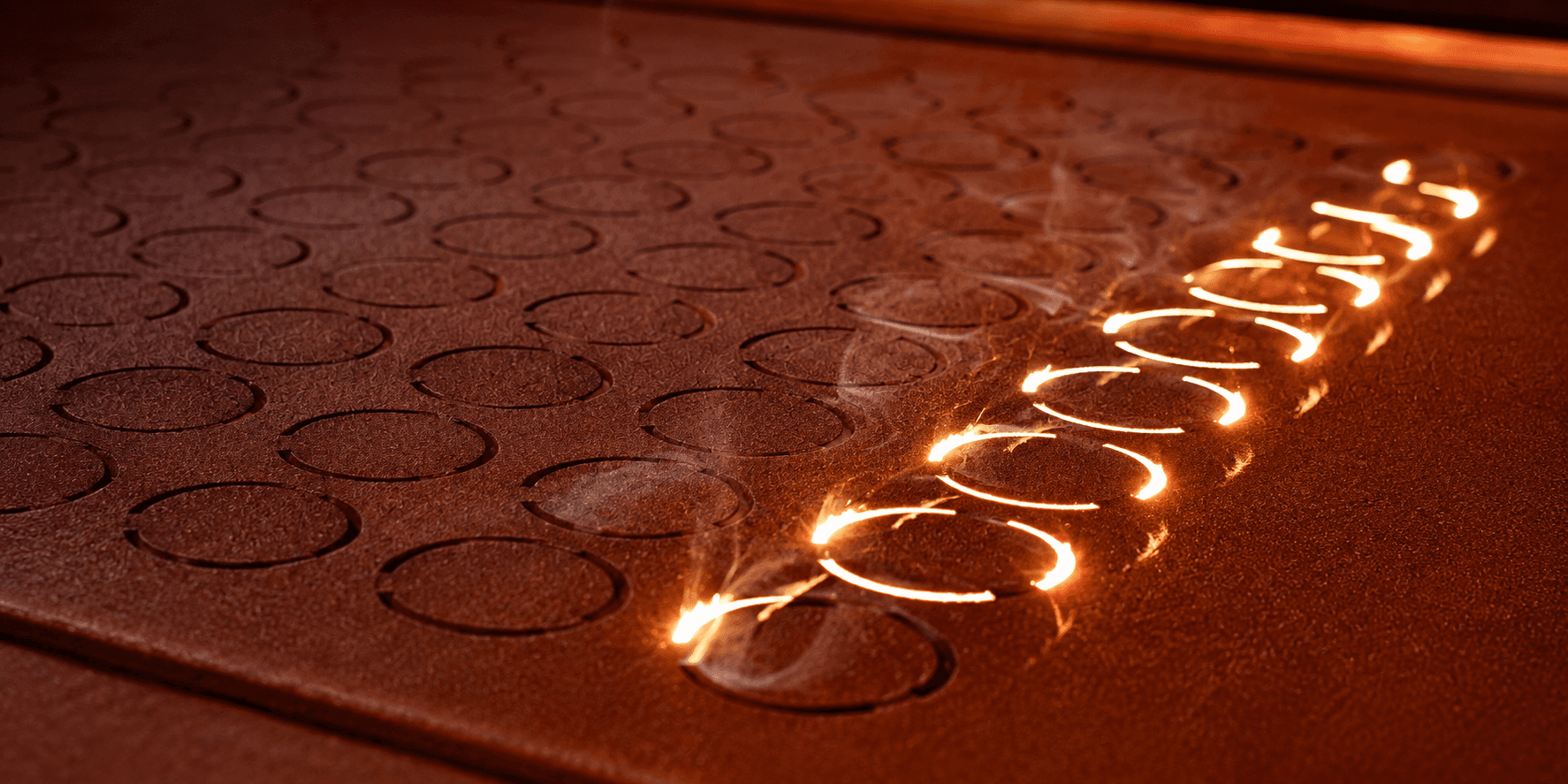
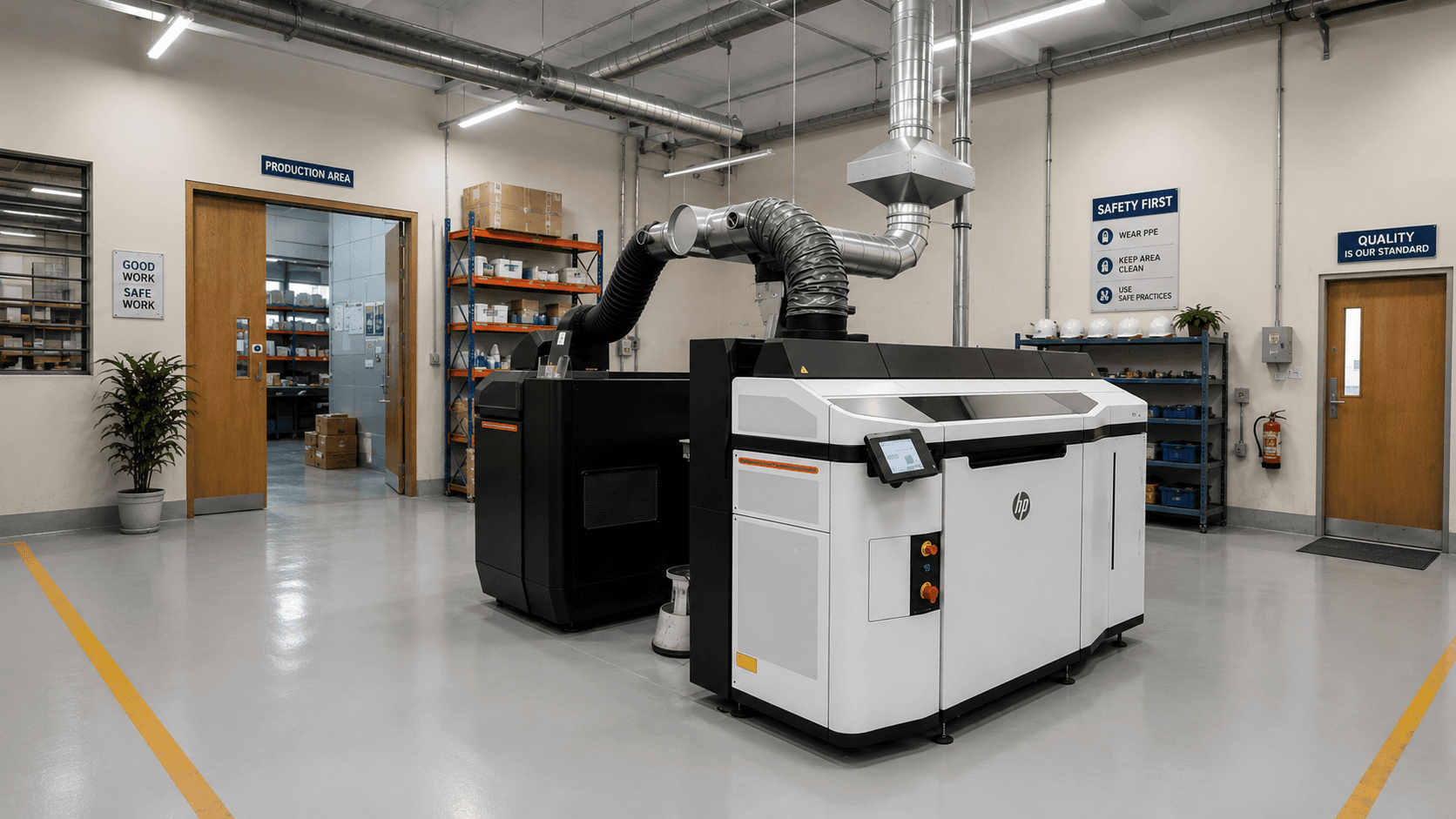
The recommended production stack includes SLS 3D Printing Service: Scale Without Tooling, HP Multi-Jet Fusion, SLA 3D Printing, Vacuum Casting, CNC Plastic Machining. Our engineers select the best-fit route around geometry, finish, validation needs, and order quantity.
Which materials are available for Robotics & Automation parts?
The materials referenced for this sector are PA12-CF, Nylon PA12, TPU, Silicone, POM, Aluminum 7075-T6. Final material selection is confirmed against mechanical, thermal, finish, and compliance requirements.
Can HIGH On 3D support both prototypes and production parts?
Yes. The same engineering team can support concept models, functional prototypes, validation builds, bridge production, tooling, and repeatable low-volume end-use parts.